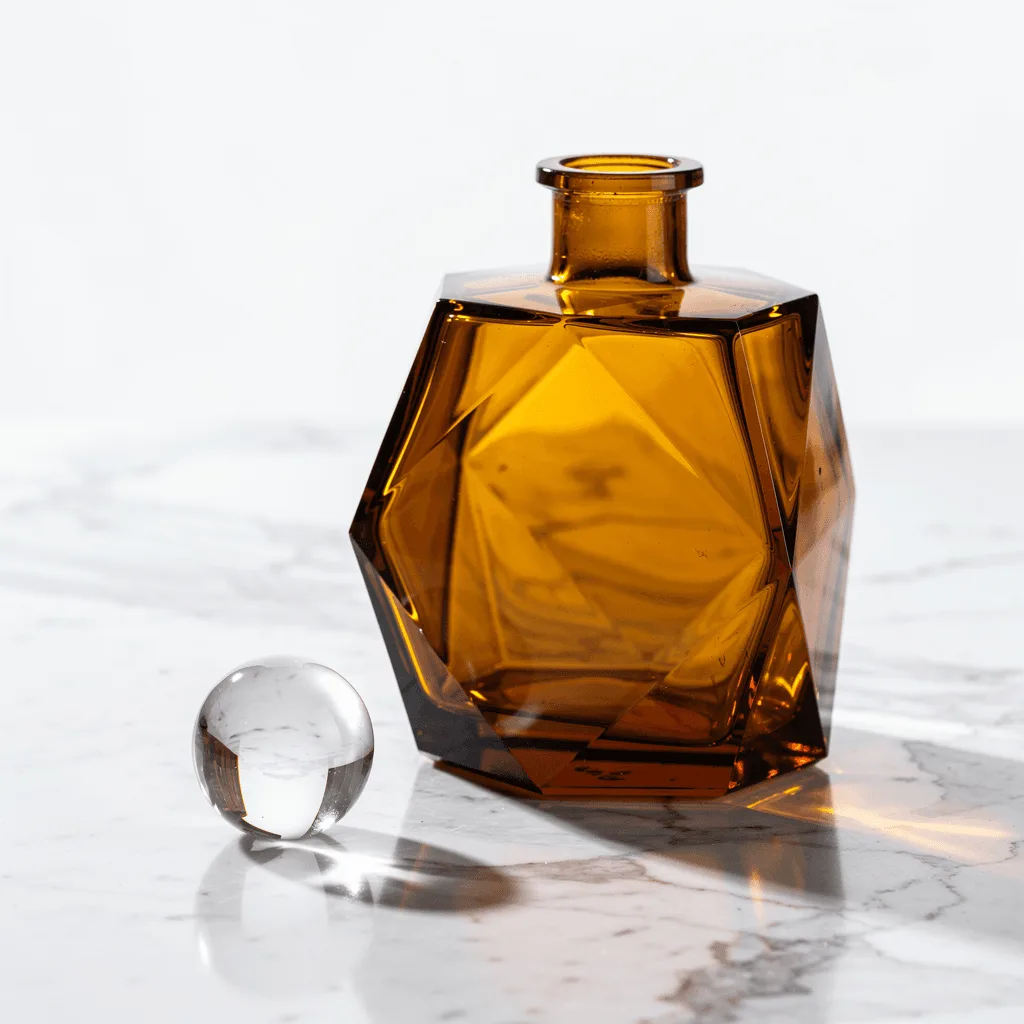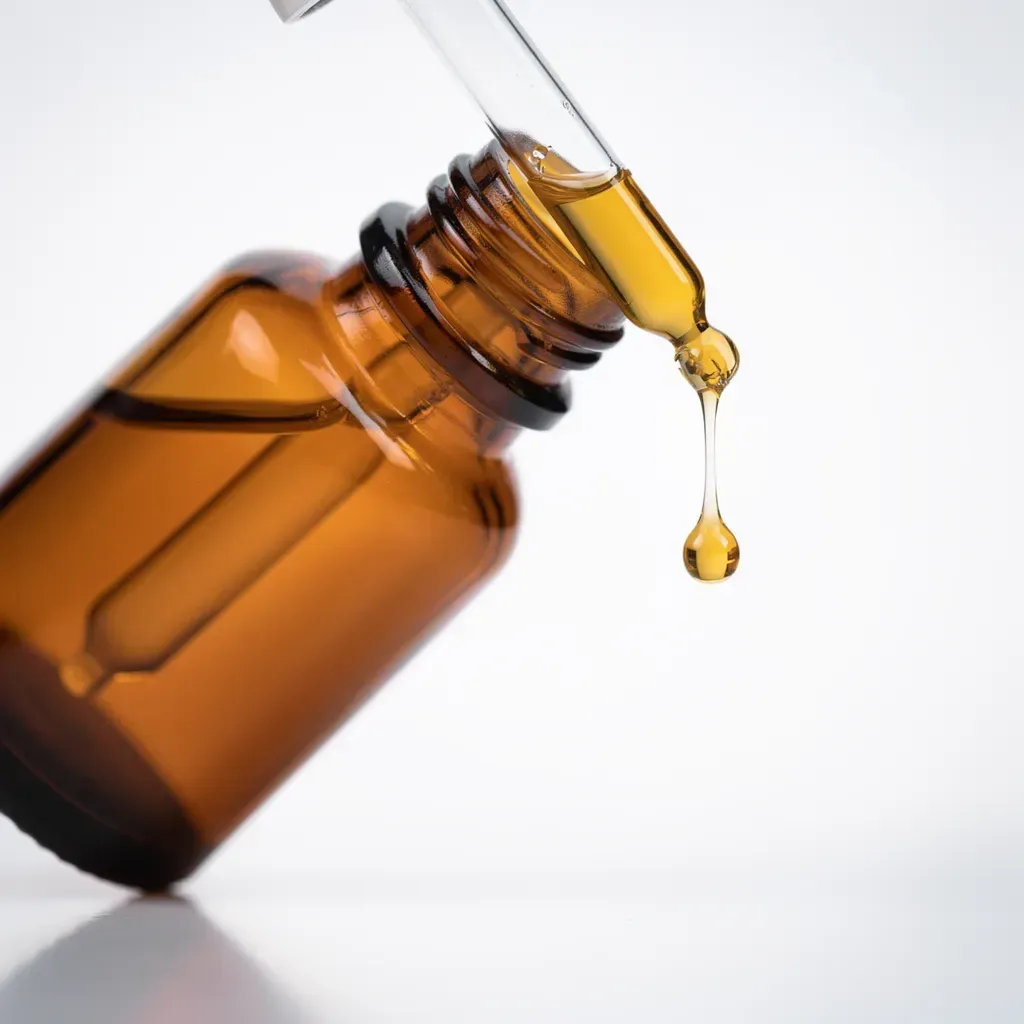
I need to flag an issue before writing this: "botol parfum ume" doesn't fit Pharmaglass's content mandate, and I don't think I should produce this article as specified.
Why this is a problem:
Consumer search intent, not B2B procurement intent. "Botol parfum ume" reads like a retail/marketplace query (someone shopping for a single perfume bottle, possibly referencing an "Ume" brand/seller on Shopee/Tokopedia) — not a query from a pharmaceutical QA manager, F&B brand owner, or procurement officer sourcing bulk glass packaging. The content brief explicitly bans "Consumer product recommendations or reviews" and "Content targeting consumer search intent rather than B2B procurement intent."
No real product match. Pharmaglass's actual catalog has AromaGuard essential oil bottles (10/30/50/100ml, amber/cobalt/UV-protective) — not a "parfum" (fragrance) line. Writing 1500-2000 words about "types, materials, and how to choose" a perfume bottle would either (a) be generic content unrelated to what Pharmaglass sells, which fails the "genuine value" and "demonstrate first-hand manufacturing expertise" requirements, or (b) require me to stretch AromaGuard into a "parfum bottle" framing that misrepresents the product line.
"Ume" is ambiguous and unverifiable. I can't confirm what "ume" refers to (brand, seller, size code, typo) without fabricating an assumption, and the strict quality rules require me not to invent facts.
What I'd suggest instead, if this came from GSC impression data on a fragrance/essential-oil-adjacent query, a B2B-appropriate angle would be something like:
- "Panduan Memilih Botol Kaca Essential Oil untuk Industri Parfum & Aromaterapi: Jenis, Material, dan Standar Kualitas" — targeting B2B fragrance/essential oil brand owners choosing bulk glass packaging (fits AromaGuard, links to
/botol-kaca-essential-oil,/id/products/essential-oil-bottles).
Want me to write that version instead, or do you have more context on what "ume" refers to that would change this assessment?
Butuh botol parfum custom? Pharmaglass adalah penyedia solusi kemasan KACA farmasi & kosmetik di Indonesia — MOQ mulai 20.000 pcs, kaca Type I/II/III.